


EP vote on End-of-life vehicles marks progress on recycled content but truck and bus makers risk extra burden
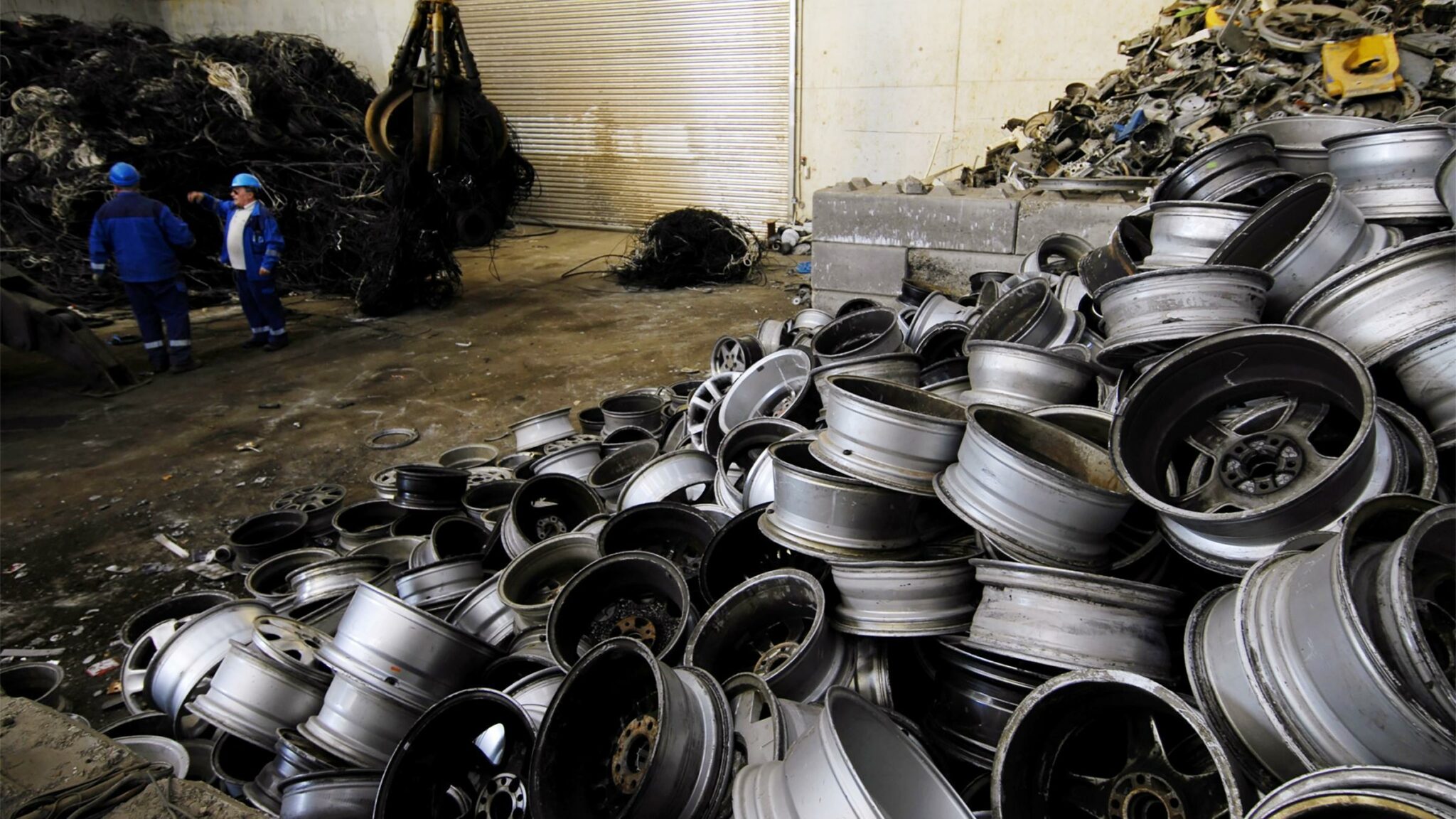
Brussels, 8 September 2025 – Today’s European Parliament plenary vote on the End-of-Life Vehicle (ELV) file marks a step towards a more pragmatic regulation, yet serious concerns remain over the burden on truck and bus makers.
The EP’s report on the End-of-Life Vehicle Regulation is a significant step toward enhancing the auto sector’s circularity and improving the management of ELVs containing valuable and critical raw materials. ACEA particularly welcomes the inclusion of pre-consumer plastics in the calculation of recycled content targets, ensuring targets remain both achievable and aligned with manufacturing realities. Nevertheless, a phased-in approach is essential due to the current lack of high-quality, safe, and automotive-grade recycled plastics on the market.
“The Parliament has made notable improvements, particularly on recycled content,” stated Sigrid de Vries, ACEA’s Director General. “At the same time, the regulation places disproportionate legal and financial risks on truck and bus makers, holding them accountable for bodywork they neither produce nor put on the market. This undermines competitiveness at a time when the sector is under enormous pressure,” added Sigrid de Vries.
Truck and bus manufacturers risk being unfairly held responsible for the dismantling, depollution and treatment of bodywork produced and fitted by third parties. In practice, this bodywork often arrives at Authorised Treatment Facilities (ATFs) with the vehicle, yet manufacturers face a maze of unclear end-of-life management responsibilities.
Clear rules and fair responsibility sharing are essential to make this Regulation workable in practice. Like trailers and other cargo material, bodywork should instead be brought under the scope of Extended Producer Responsibility (EPR) to avoid loopholes and uncertainties in the treatment process and associated costs. ACEA urges policymakers to take these concerns into account as trilogue negotiations on the ELV Regulation get underway.
Today’s European Parliament plenary vote on the End-of-Life Vehicle (ELV) file marks a step towards a more pragmatic regulation, yet serious concerns remain over the burden on truck and bus makers.
About ACEA
- The European Automobile Manufacturers’ Association (ACEA) represents the 17 major Europe-based car, van, truck and bus makers: BMW Group, DAF Trucks, Daimler Truck, Ferrari, Ford of Europe, Honda Motor Europe, Hyundai Motor Europe, Iveco Group, JLR, Mercedes-Benz, Nissan, Renault Group, Stellantis, Toyota Motor Europe, TRATON GROUP, Volkswagen Group, and Volvo Group.
- Visit www.acea.auto for more information about ACEA, and follow us on https://www.x.com/ACEA_auto or https://www.linkedin.com/company/ACEA/
Contact:
- Camille Lamarque, Media Relations Manager, cl@acea.auto, +32 2 738 73 16
About the EU automobile industry
- 13.6 million Europeans work in the automotive sector
- 8.1% of all manufacturing jobs in the EU
- €414.7 billion in tax revenue for European governments
- €93.9 billion trade surplus for the European Union
- Over 8% of EU GDP generated by the auto industry
- €84.6 billion in R&D spending annually, 34% of EU total