


Preparing for Extended Producer Responsibility for HDVs: What the data tells us about shaping the future
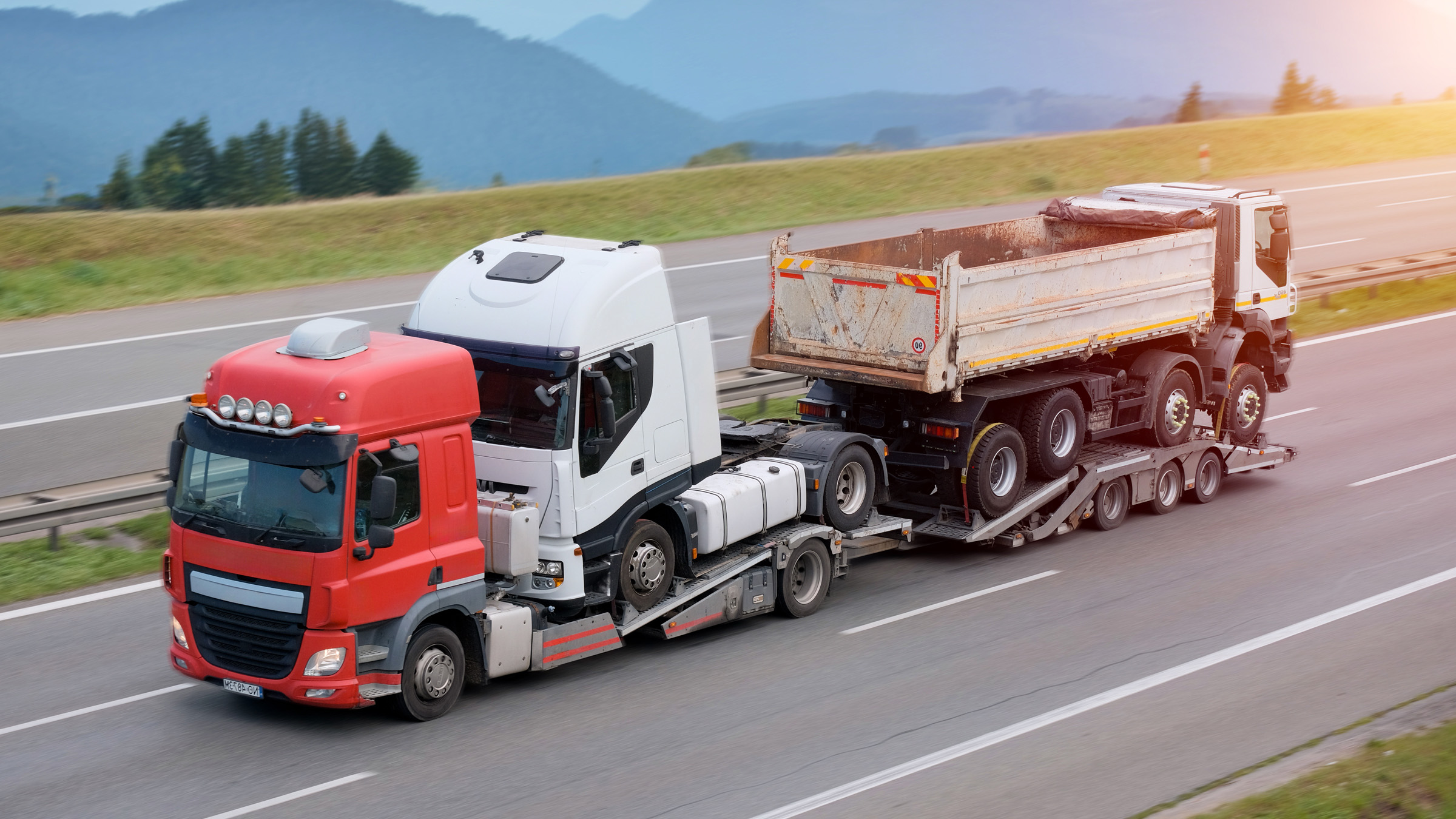
This study, conducted by Strat Anticipation and E:MISIA on behalf of ACEA, provides a comprehensive overview of current dismantling and shredding practices for end-of-life heavy-duty vehicles (HDVs), revealing how treatment varies across facilities and how economic, environmental, and safety considerations shape each step.
In addition to analysing dismantling processes — from depollution to chassis and powertrain disassembly — and tracing the vehicle’s journey through shredding streams that recover steel, aluminum, and other valuable materials, the study also includes a detailed modelling exercise of HDVs in operation across eight selected countries, examining flows of imports, exports, deregistrations, and end-of-life volumes.
The report highlights the trade-offs recyclers face when deciding which components to remove for resale or material separation, the evolving technologies used to sort metals and plastics, and the impacts these decisions have on waste reduction and resource recovery. Finally, it explores the challenges and costs associated with HDV bodywork treatment and considers opportunities for future collection, take-back, and recycling networks that can support a more efficient and sustainable end-of-life ecosystem.
Download the full report and its synthesis below.
This study, conducted by Strat Anticipation and E:MISIA on behalf of ACEA, provides a comprehensive overview of current dismantling and shredding practices for end-of-life heavy-duty vehicles (HDVs), revealing how treatment varies across facilities and how economic, environmental, and safety considerations shape each step.