


Truck and bus makers: High-level automotive meetings must urgently accelerate conditions to meet 2030 targets
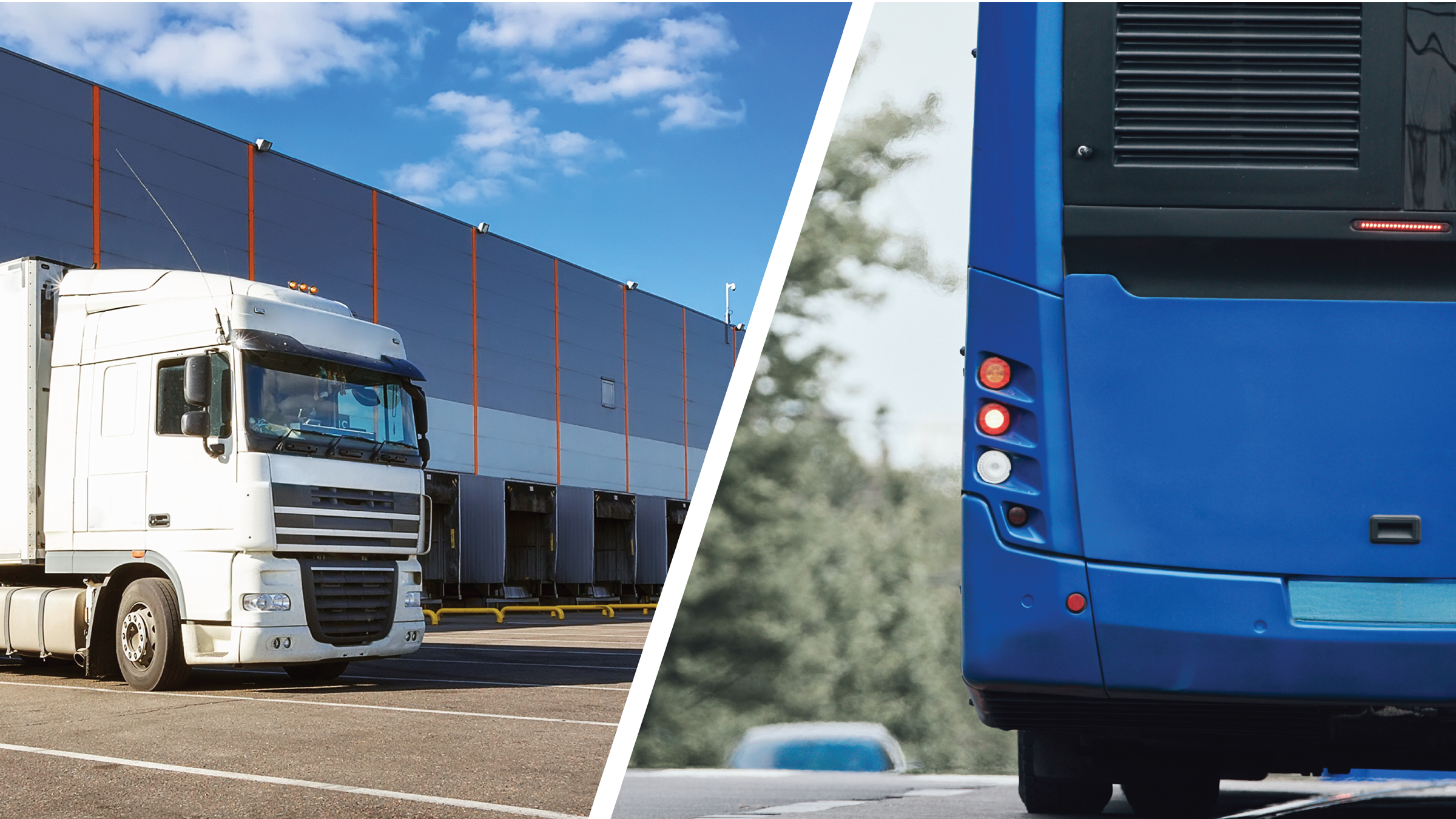
Brussels, 5 September 2025 – As the European Commission prepares to hold a series of high-level meetings next week on the future of the automotive industry, Europe’s truck and bus makers reaffirm their commitment to the green transition. They caution that insufficient enabling conditions put the sector at risk for circumstances beyond its control.
Truck and bus manufacturers provide vehicles that are the backbone of Europe’s economy, essential to daily life for hundreds of millions of citizens and businesses. The sector has invested billions in developing zero-emission vehicles (ZEVs) that can meet all transport needs.
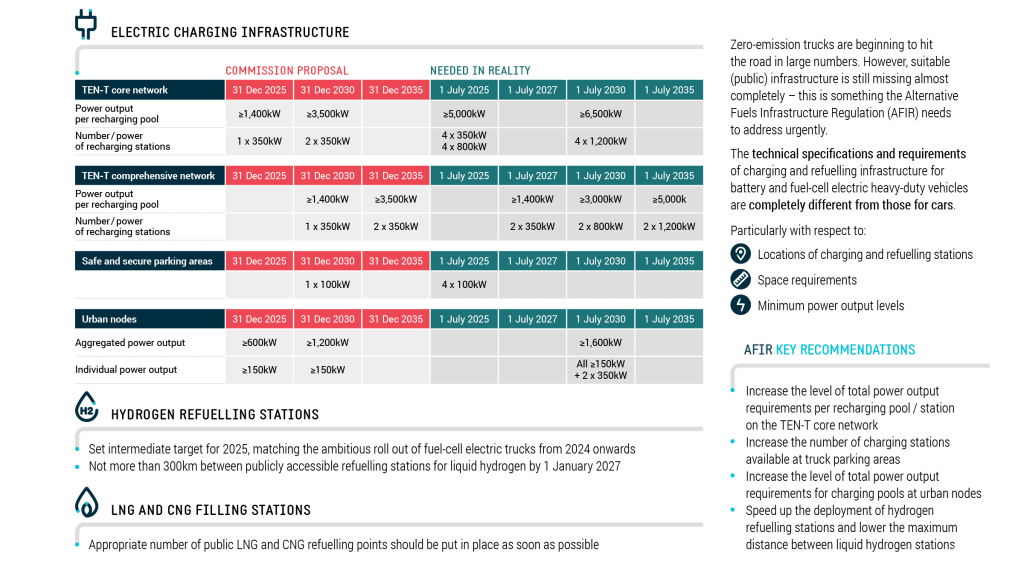
Yet, under the 2030 CO2 reduction targets, the share of ZEVs in the market must increase from just around 3.5% in the first half of 2025 to at least 35%, within five years. Meanwhile, essential conditions, from adequate grid connections to key legislation, like the Weights & Dimensions Directive, are not in place. Critical instruments such as competitive charging prices, dedicated incentives, CO2-based road user chargers and other crucial elements continue to face delays.
Commercial vehicle manufacturers are therefore looking forward to exchange with Commission President von der Leyen, Commissioners Hoekstra, Jørgensen and others on the urgent steps needed to make the 2030 targets achievable and ensure a fair and realistic transition.
“We are already delivering the vehicles and offer zero-emission solutions for all transport needs, but most of the essential enabling conditions are not in place today. If all the other pieces don’t fall into place, we will fail. This is not a failure of engineering, it’s a failure of policy”, said Christian Levin, CEO of Scania Group and Chairperson of the Commercial Vehicle Board at ACEA.
“The Commission must accelerate the review of the HDV CO2 Regulation to better reflect the interdependencies within the transport and logistics industry. This cannot wait until 2027. We need an urgent assessment and monitoring of the most critical enabling conditions for the climate-neutrality transition of heavy-duty road transport. The success of the climate neutrality transition does not depend on vehicle manufacturers alone. Yet we are the only actors exposed to disproportionate non-compliance penalties despite being most ready to deliver”, added Christian Levin.
Europe’s truck and bus manufacturers remain committed to driving the transition to climate neutrality, but highlight that success will depend on swift, coordinated action from policymakers to remove the barriers standing in the way.
As the European Commission prepares to hold a series of high-level meetings next week on the future of the automotive industry, Europe’s truck and bus makers reaffirm their commitment to the green transition. They caution that insufficient enabling conditions put the sector at risk for circumstances beyond its control.
About ACEA
- The European Automobile Manufacturers’ Association (ACEA) represents the 17 major Europe-based car, van, truck and bus makers: BMW Group, DAF Trucks, Daimler Truck, Ferrari, Ford of Europe, Honda Motor Europe, Hyundai Motor Europe, Iveco Group, JLR, Mercedes-Benz, Nissan, Renault Group, Stellantis, Toyota Motor Europe, TRATON GROUP, Volkswagen Group, and Volvo Group.
- Visit www.acea.auto for more information about ACEA, and follow us on https://www.x.com/ACEA_auto or https://www.linkedin.com/company/ACEA/
Contact:
- Camille Lamarque, Media Relations Manager, cl@acea.auto, +32 2 738 73 16
About the EU automobile industry
- 13.6 million Europeans work in the automotive sector
- 8.1% of all manufacturing jobs in the EU
- €414.7 billion in tax revenue for European governments
- €93.9 billion trade surplus for the European Union
- Over 8% of EU GDP generated by the auto industry
- €84.6 billion in R&D spending annually, 34% of EU total